
When Should You Repair Your Dryer Vent to Prevent Damage and Ensure Safety

Dryers make our lives easier, but we often overlook one essential part: the dryer vent. If not properly maintained, a faulty dryer vent can lead to costly repairs, higher energy bills, and even dangerous fire risks. In this blog post, we will discuss when to repair your dryer vent, what common problems to watch for, and how to keep your dryer running safely and effectively.
Understanding the Importance of a Proper Dryer Vent
A dryer vent plays a key role in directing hot, moist air outside your home. This is crucial because it prevents lint buildup, which can cause your dryer to work overtime and wear out more quickly. A well-maintained vent not only boosts efficiency but also lowers the risk of fire hazards caused by flammable lint.
If your dryer vent is damaged or poorly installed, you may face several issues, such as:
Increased Energy Costs: A blocked or improperly vented dryer can use up to 30% more energy, leading to steeper utility bills.
Extended Drying Times: A malfunctioning vent can cause drying times to increase by more than 40%, forcing your dryer to work harder and wasting time.
Serious Fire Risks: According to the National Fire Protection Association (NFPA), failure to clean dryer vents is the leading cause of dryer fires, with roughly 15,000 incidents each year in the U.S.
Common Dryer Vent Issues
Incorrect Vent Exhaust on the Roof

A common problem is having the wrong type of exhaust. If your home has a box-style vent, this design may trap lint and moisture, creating blockages and increasing fire risks.
Check to see if your exhaust is a smooth, round pipe measuring at least 4 inches in diameter. If not, consider upgrading to a more effective design.
Dryer Vent Hose or Incorrect Vent in the Attic

Flexible hoses are another frequent issue. If your vent runs through the attic, it may be kinked or crushed, which restricts airflow. This can lead to dangerous lint buildup.
Switching to a rigid 4 inch metal duct can improve airflow and minimize fire risks significantly. Additionally, homes with metal ducts have reported improved dryer efficiency by around 25%, offering both safety and savings on energy bills.
Disconnections in the Dryer Vent

Over time, disconnects can occur because of wear or improper installation. If your vent is disconnected, act quickly.
A split or loose vent can allow lint to escape into your home, creating a significant fire hazard. Regularly inspect your dryer vent to catch any potential issues early.
Signs That Your Dryer Vent Needs Repair
1. Longer Drying Times
If your clothes are taking longer than usual to dry, this is a clear sign your vent might need attention. A restricted vent can cause drying times to increase, leading to wear and tear on your appliance.
2. Excessive Lint Buildup
Visible lint accumulation around your dryer or vent indicates that it's not working efficiently. Clean the lint filter after each use, and if you see lint collecting outside the vent, repairs are likely needed.
3. Burning Smell
A burning odor coming from your dryer is a red flag. This smell often signals that the unit is overheating because of a blocked vent. If you notice this, stop using the dryer instantly and check for blockages.
4. Hot Exterior of the Dryer
Is your dryer hot to the touch? This could mean the vent is blocked. If it is unusually warm, inspect the vent to determine the issue promptly.
5. Moisture in the Laundry Room
If your laundry room feels damp, it could mean that air isn't escaping properly from the dryer vent. This can lead to mold and other health problems in your home.
How to Repair Your Dryer Vent
1. Regular Inspections
Regular checks of your dryer vent are vital. Look for signs of lint, damage, or loose connections to catch any problems before they escalate.
2. Clean the Vent
Keeping your dryer vent clean is crucial. Use a vacuum or a specialized cleaning kit to remove lint and debris. It's recommended to clean your vent at least once a year, or more frequently if you encounter any issues.
3. Upgrade to a Rigid Metal Duct
If your dryer currently uses a flexible hose, consider upgrading to a rigid metal duct. These ducts improve airflow and are less susceptible to kinks or crushing.
4. Ensure Proper Installation
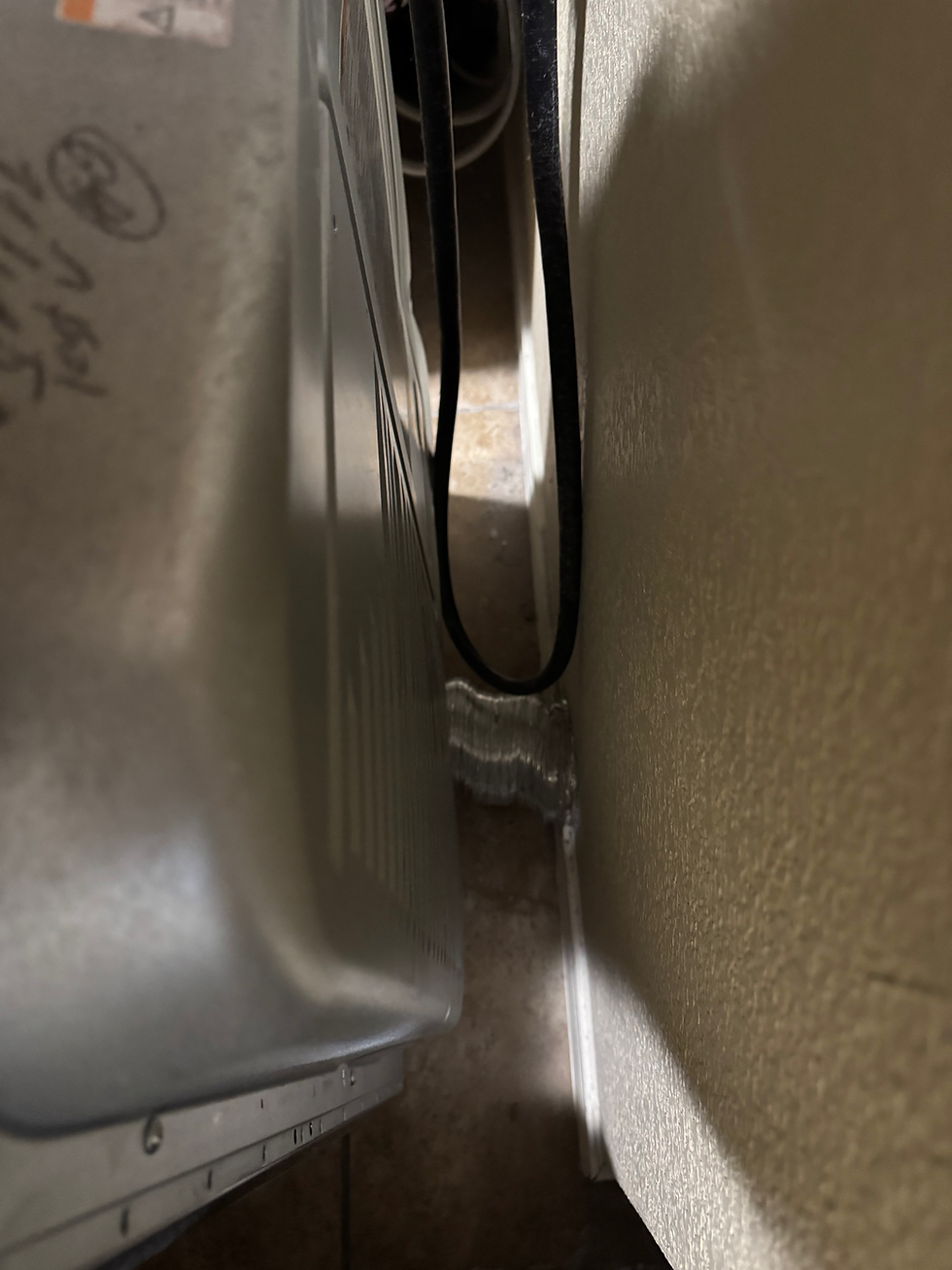
When setting up a new dryer vent or doing repairs, make sure it's installed correctly. Aim for a short, straight path with minimal bends to allow for smooth airflow. This can enhance efficiency by approximately 15%.
5. Consult a Professional
If you're uncertain about how to repair your dryer vent or notice significant problems, hiring a professional can save you time and stress. An expert can evaluate the situation and fix any issues, ensuring your dryer runs safely.

Preventative Measures for Dryer Vent Maintenance
1. Use a Lint Trap
Implementing a lint trap can help catch lint before it enters the vent, minimizing blockages. Be sure to clean it out after each load for optimal airflow.
2. Avoid Overloading the Dryer
Overloading your dryer not only increases drying times but also strains the appliance. Following the manufacturer's guidelines for load size is key to maintaining efficiency.
3. Schedule Regular Maintenance
Regular professional maintenance for your dryer and vent system can be worthwhile. A qualified technician can inspect and clean systems to ensure safe and efficient operation.
4. Educate Your Family
Make sure your family understands the importance of maintaining the dryer vent. Have them report any unusual smells, longer drying times, or other signs of potential issues.
Final Thoughts
Keeping your dryer vent in good condition is vital for both safety and efficiency. By understanding common issues, identifying the signs that your vent may need repair, and taking preventive steps, you will help your dryer operate smoothly and safely.
Don’t hesitate to take action if you suspect your dryer vent is problematic. Regular inspections, cleaning, and timely repairs can save you money and prevent risks. Remember, good maintenance goes a long way in keeping your home safe and your dryer in peak condition.


Great, informative article! I appreciate how clearly it explains the warning signs and importance of timely maintenance—many homeowners overlook this. Regular inspections and proper duct cleaning texas services really make a difference in preventing hazards and improving efficiency. Definitely a helpful read for home safety awareness.